Welcome to the Elstree & Borehamwood Museum blog.
This blog is about all those happenings inside and outside the Museum that have caught our attention.
From events and exhibitions, to new discoveries in the collections, to news and views.
Any comments and items to go here please contact Simon on info@elstree-museum.org.uk

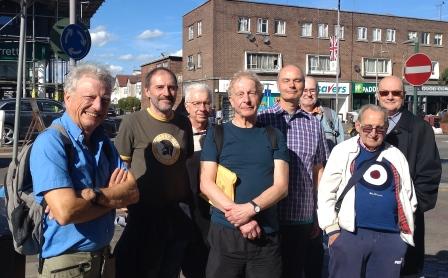
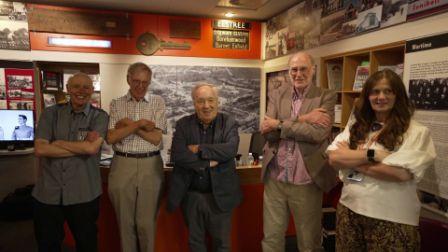
Those of you who love to know where your favourite film was shot - " That location looks familiar" - must visit the website reelstreets.com. This site will guide you to where the location was, and, sometimes, how it looks these days. So a couple of times a year friends and contributors to the website visit an area to check out the locations and find more. Their trip this time was to Borehamwood and Elstree where many a film has been shot outdoors over the last 100 years. A three mile walk up
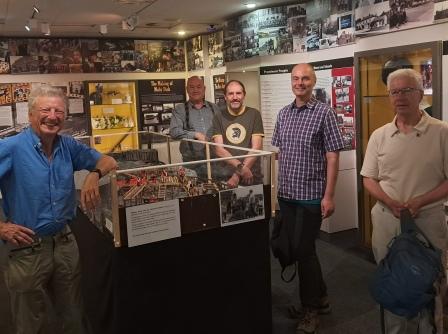
Even if all the shops have changed over the years, there are many films featuring
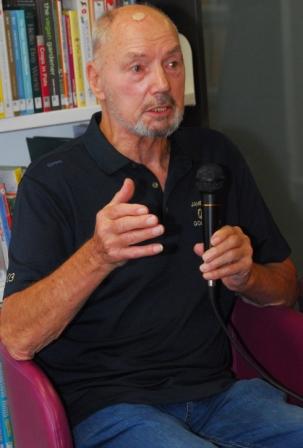
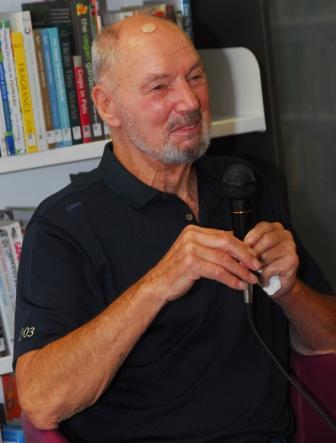
To highlight our latest Exhibition Ribbon Of Dreams - Celebrating 100 Years of Elstree Studios, The Friends of the Museum were invited last night to meet and hear the stories of Paul Weston, Stuntman extraordinary. After a 60 year career as an actor, stuntman, and director, his fund of stories about the stars he knew and the films in which he created many daring stunts was amazing. Starting at Elstree Studios in 1965 when he was a stand-in for Roger Moore in The Saint, he reminisced about his early days in Boreham Wood. There were so many stories of stars he stunted for from Robert Redford, Christopher Reeve, Kevin Costner, Timothy Dalton, and many many more. Of course he worked on many of the James Bond films with Roger Moore, and some of the hair-raising train stunts he performed were described in great detail.
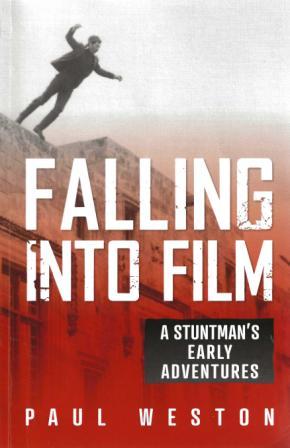
Paul has so many stories that his book Falling Into Film, is only the first volume and there are two more to follow. Please check out Paul's website here for his exciting showreels and more details of his book and career. A thoroughly enjoyable evening for the Friends - please join for future exciting events!
Ribbon of Dreams
100 Years of Elstree Studios - Part Eighteen
Visit our current Exhibition
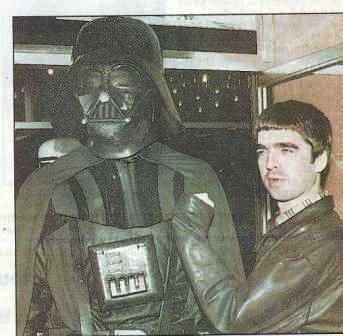
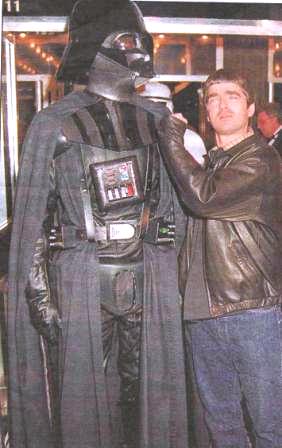
To celebrate the release of the new Oasis film Don't Look Back In Anger here's a quick reminder of when Noel Gallagher came up against his 'favourite villain'. At the Royal Premiere of the Special Edition of the renamed Star Wars : Episode IV - A New Hope in March 1997, Noel and Darth were in attendance. So was Prince Charles and George Lucas, and many other actors and celebs, but we aren't interested in them this time. There's much more about Elstree Studios and Star Wars in our current exhibition, though not much about Oasis.
The Gables Appears At Last
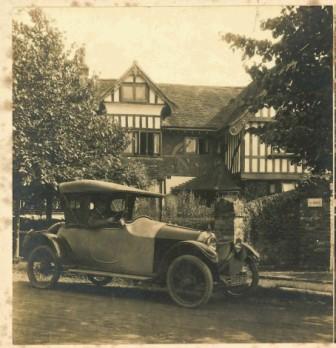
There was great excitement when we received from Brighton and
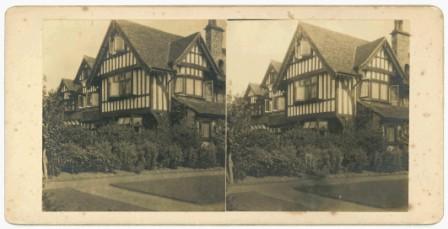
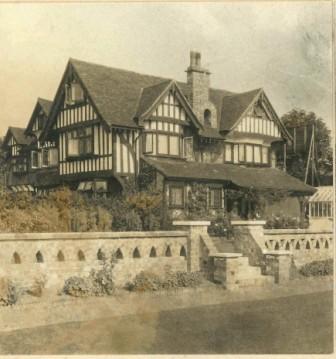
These 7 photos show the house inside and out, and Williamson himself in his car, a Scripps-Booth, in
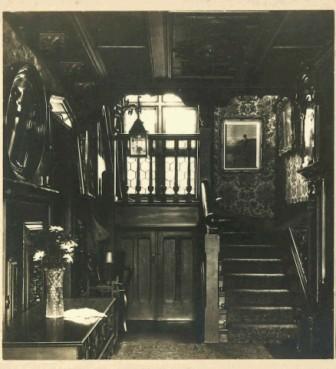
Later on The Gables was renamed King's House when purchased by Martin Benson of The King And I fame, and then was sold to Ray Davies of the Kinks in 1968. For more details please visit our previous blog here. The house was demolished after Ray sold up and only the annexe remains today as
Many thanks to Alexia Lazou, Assistant Curator, for sending us the photos. Please visit her blog here for more information on the origin and source of the photos, and the importance of Stereoscopy. The Brighton and
Ribbon of Dreams
100 Years of Elstree Studios - Part Seventeen
Visit our current Exhibition
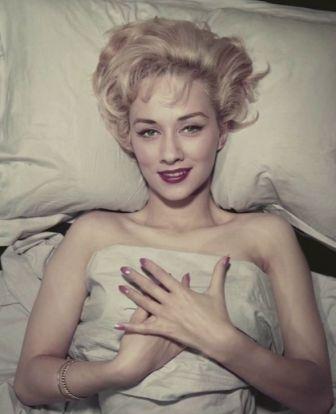
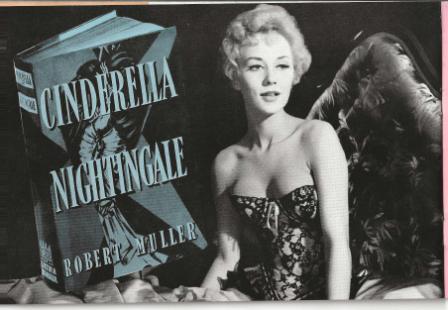
In the last blog we mentioned the beautiful Carole Lesley who nearly became a huge star with the projected film Cinderella Nightingale. But lawsuits by Sabrina (a 'dumb bombshell') led to the cancellation of the film in 1959, and she was never to get her starring role to take her to
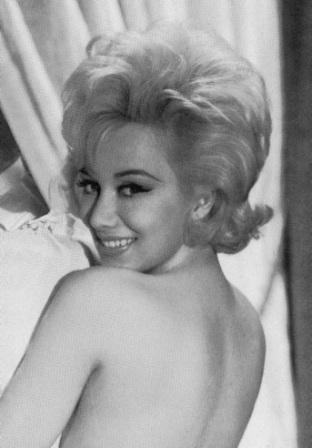
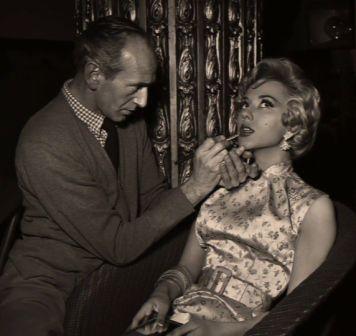
Born Maureen Lesley Carole Rippingdale in 1935 in
But acting was her passion and she returned to
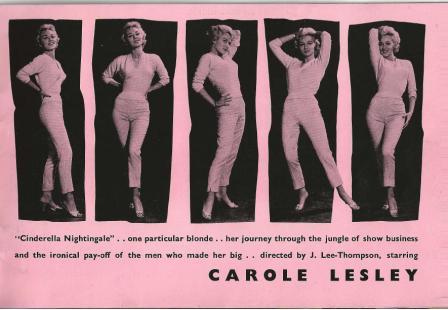
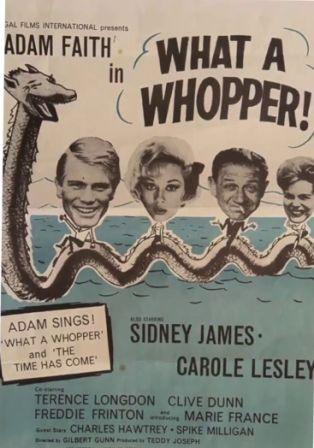
After films such as Doctor In Love, Three On A Spree and What A Whopper with Adam Faith and Sid James, ABPC did not renew her contract. Carole was devastated and decided to withdraw completely. In 1964 she married film publicist Michael Dalling and they had two children together, but her
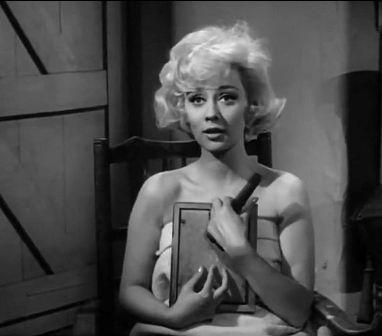
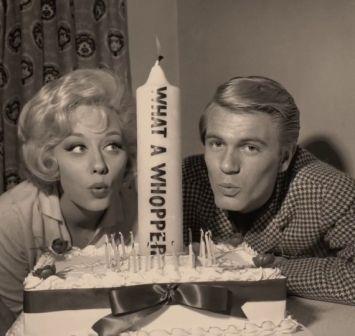
From then on it was a very sad story as her health deteriorated, she self-harmed and overdosed. The couple lived in a semi near New Barnet Station and in 1974 Dalling discovered her in the kitchen after an overdose of barbiturates. Only 38, the business of show had found another victim.
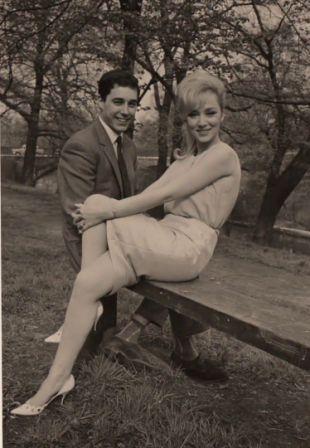
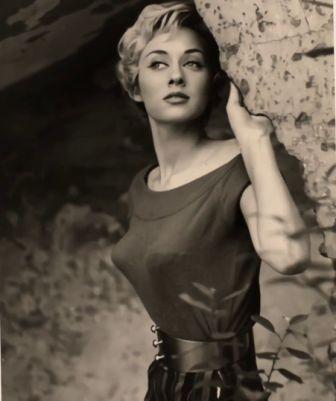
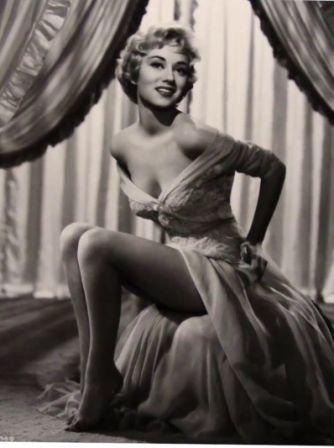
No apologies for the photos here - she was a shining light in the late 50s and early 60s. Try and see one of her films if you can - she made 13 in such a short space of time. I'm sure TPTV have a few scheduled.
Ribbon of Dreams
100 Years of Elstree Studios - Part Sixteen
Visit our current Exhibition
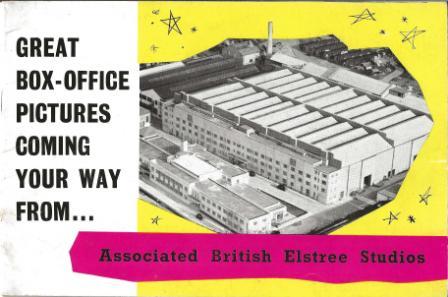
When you visit our exhibition in the Museum you might see a brochure from 1958 advertising the forthcoming movies from Elstree Studios. Amongst adverts for Ice Cold In Alex and The Moonraker there are two new films featured that never saw the light of day.
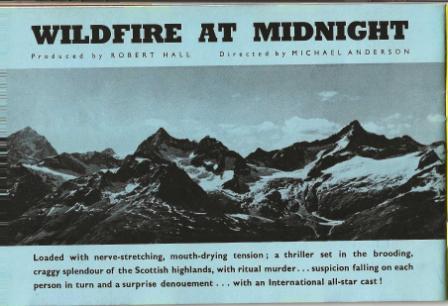
One was an adaptation of Mary Stewart's 1956 novel Wildfire At Midnight. This was to be produced by Robert Hall and directed by Michael Anderson who had directed The Dam Busters and Around The World in 80 Days to great success. No idea at this stage why this project was abandoned.
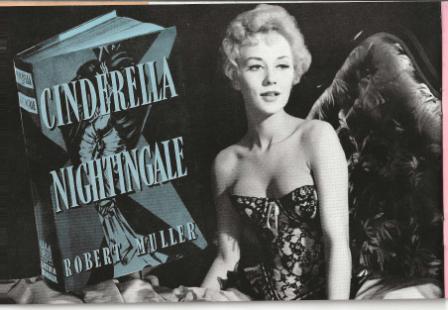
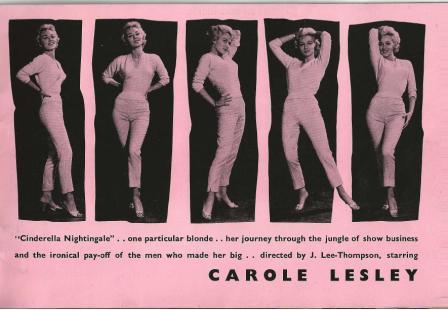
The other was Cinderella Nightingale to star Carole Lesley and to be directed by J. Lee Thompson who had just finished Ice Cold and would go on to direct The Guns of Navarone and
The next blog will tell the tragic story of Carole Lesley.

Hope you caught our slot on The Footage Detectives yesterday evening on the great TPTV channel. It was Episode 234 and is available on their Encore service if you missed us. Noel and Sarah made us look as if we knew what we were talking about, so that was a real result for us! Thanks again to everyone at TPTV for the great few hours we spent in your company, and the excellent results.

.jpg)

We mentioned in a blog about a month ago how the TPTV film crew visited us and filmed the new Exhibition just before it was opened by Mr TPTV himself - Noel Cronin. Well the results are now available for all to view and will be featured on The Footage Detectives this Sunday 5th July at 5pm. What, you don't know about TPTV?! Well have a look at the trailer HERE, find the channel and add it to your 'Favourites'. We know the show will be as much fun to watch as it was to shoot. Thank you Noel, Sarah, Neil and camerman Conor.

Ribbon of Dreams
100 Years of Elstree Studios - Part Fifteen
Visit our new Exhibition - open now!
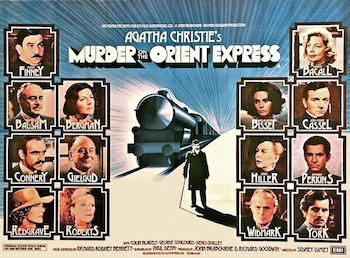
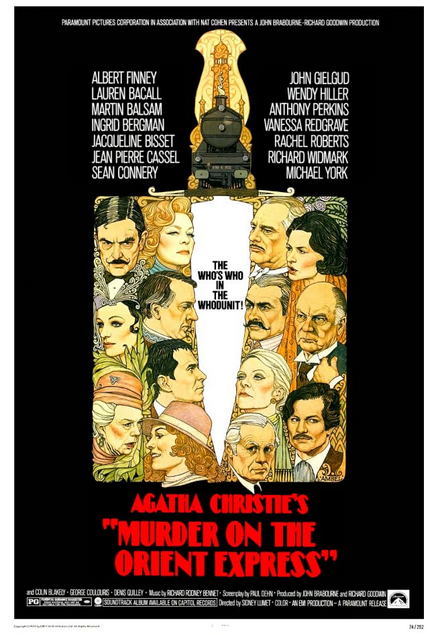
With his familial links to Prince Philip through his marriage to Earl Mountbatten's eldest daughter, it is no wonder John Knatchbull, Baron Brabourne, brought Princes Charles and Edward to the set of Murder On The Orient Express in 1973. His professional name was John Brabourne and he was a very successful film and TV producer. He had two Oscar nominations for producer for Romeo And Juliet and A Passage To India, and was chairman of Thames Television at one stage.
Agatha Christie was not happy with previous film adaptations of her novels, and it took Brabourne and Mountbatten to persuade her reluctantly to agree to this production. She did later say that Albert Finney was her Poirot, apart from his too-small moustache.
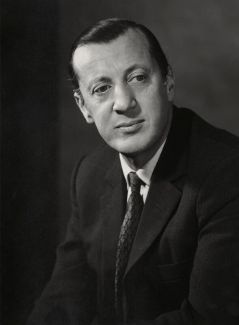
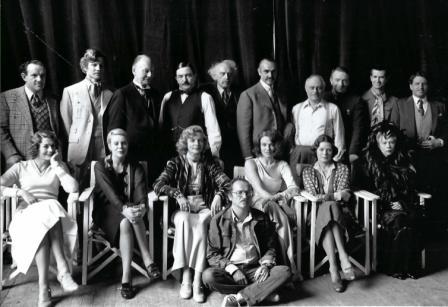
The interior scenes were shot at Elstree Studios, directed by Sidney Lumet and photographed by Geoffrey Unsworth. The film was hugely successful in the States with its all-star cast. And Mountbatten, Charles and Edward and Brabourne spent a day in 1973 visiting the filming. Unfortunately we haven't come across any photos yet, but we are still looking.
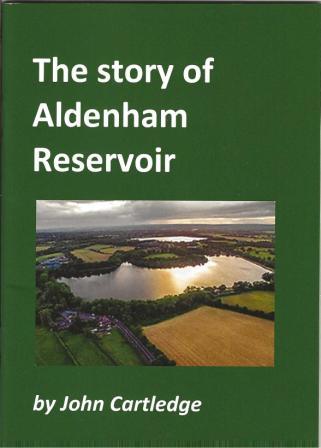

We had a Friends gathering last week to hear from John Cartledge about his new booklet The Story of Aldenham Reservoir. Taking us through the history of the building of the dam and reservoir, the purpose behind it and following the story through the centuries. He told us about the many incidents including the aircraft accidents in World War 1, and the gradual lessening in popularity of the lake for swimming from its heyday in the 1930s to the end of the sixties. Although sailing and angling continued up to the turn of the century, the many problems of ownership and dam repair in recent years have led to a decline in its use. At least the Park Run is still using the Reservoir.
And the booklet is available from the Museum for £3.

Show only:
» Events
» Collections
» News
» Exhibitions
Elstree & Borehamwood Museum
96 Shenley Road
Borehamwood
Herts
WD6 1EB
Tel: 01442 454888


Admission: Free
Opening times:
Opening times:
Tuesday, Wednesday, Thursday
12pm - 6pm
Saturday 10am - 3pm
Registered Charity No.1157770


